Arkansas Property Records
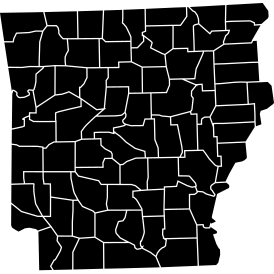
In Arkansas, property records are public documents managed by local government offices in each of the state’s 75 counties. These records include deeds, mortgages, and other papers showing who owns land or buildings. The circuit clerk, who is the ex officio county recorder, handles most public property documents.
Since Arkansas doesn’t have a single statewide database, you must request property information from the county where the property is located. Many county offices now provide online access that allows users to search or file documents.
Documented property files help track ownership, sales, taxes, and property history, making real estate information clear, reliable, and open to everyone.
Introduction to Property Records
The history of property records in Arkansas began in the early 1800s, when the area was still part of the Missouri Territory. In 1812, the U.S. government agreed to recognize private land grants previously issued by Spain and Mexico, mainly in Arkansas and Desha Counties.
A preemption law gave settlers already living on the land the first right to claim ownership, and land claim commissions were formed to process and record these claims. Early land records from 1812 to 1837 are preserved in historical sources such as Grassroots of America and First Settlers of the Missouri Territory.
The state’s property recording system began to develop in 1818, when the first land offices were created to record and sell public land. These early offices eventually became part of the Arkansas State Land Commission Office, which now manages the state’s public land records and oversees land transactions.
Over time, the system evolved into a county-based structure, with each county’s circuit clerk or recorder maintaining most property documents. Today, many counties use digital systems and e-recording to make property information easier to access.
Recorded property instruments remain important for tax collection, zoning, and community planning. They help surveyors, developers, and planners manage agricultural zones, floodplain areas, and other land-related projects that support Arkansas’s growth and resource use.
What Counts as Property Records in Arkansas
The following typically count as Arkansas property records, based on documents maintained by county recorders, assessors, courts, and the Arkansas State Land Commission Office:
Deeds & Title Records
These are legal instruments that transfer ownership of property (e.g., warranty deeds, quitclaim deeds). Arkansas counties archive deeds going back to the early 1800s, especially around 1819. The state does not publish a consolidated count of deeds filed annually, but many counties record thousands of deeds per year.
Ownership History & Transfers
These records track chains of title, showing who owned a property at various times. Annual transfer volumes vary by county and economic cycles. Over the decades, many properties have changed hands several times, though statewide averages are not centralized.
Mortgage & Loan Documents
These include deeds of trust, mortgages, and lien records tied to property financing. A large share of Arkansas home purchases use mortgages instead of cash. Average mortgage amounts depend on county and market conditions, and data is rarely aggregated statewide in public reports.
Property Tax Records & Assessments
These documents record assessed value, tax rates, and exemptions (e.g., for seniors or veterans). Based on recent data, Arkansas’s effective property tax rate averages around 0.53% of assessed value. State and local governments collect billions in property tax revenue, and many properties qualify for some form of tax relief.
Property Values & Market Data
These records reflect sale prices, appraisals, and valuation trends. In Arkansas, the median single-family home value is approximately $217,000. Year-over-year appreciation rates vary by region; some areas see gains in the high single digits, while others see modest growth.
Building Permits & Zoning Records
These include permits for construction, renovation, and local zoning decisions. The annual number of building permits in Arkansas fluctuates by county; growth rates in new construction may be in the low double digits year over year in expanding areas.
Liens, Foreclosures & Judgments
These records document legal claims against property, such as tax liens, mechanics’ liens, and foreclosure actions. Foreclosure filings in Arkansas occur regularly but remain relatively low compared to national levels. Most counties report that only a small portion of housing units are affected by foreclosure each year.
Parcel Maps & Land Surveys
These are maps, plats, and survey descriptions of property boundaries and parcel divisions. Arkansas has over a million parcels statewide, many of which have been mapped and digitized for public access via county GIS or assessor systems.
Arkansas Property Law
Arkansas property, found in several titles of the Arkansas Code, governs how land and real estate are owned, transferred, and used throughout the state. These laws protect property rights, establish clear ownership records, and regulate land development:
Title 18 (Property) covers ownership rights, boundaries, transfers, mortgages, and easements
Title 14 (Local Government) addresses municipal and county powers, including zoning regulations and property recording systems
Title 25 (State Government) governs public access to property records for transparency in real estate transactions
Title 27 (Transportation) includes provisions for utility easements and rights-of-way
Deeds and Property Transfers
Property transfers in Arkansas require written deeds that must meet specific legal standards to be valid and enforceable.
Arkansas Code § 18-12-102 establishes that land and property may be transferred by deed, and the words "grant, bargain, and sell" create an express warranty that the grantor owns the property free from encumbrances.
Arkansas Code § 18-12-104 requires that deeds must be executed in the presence of two disinterested witnesses or acknowledged by the grantor before two witnesses who then sign the deed.
Arkansas Code § 18-12-201 mandates that deeds must be proven or properly acknowledged before they can be recorded in the county records.
Arkansas Code § 14-15-404 protects subsequent purchasers by establishing that unrecorded deeds are not valid against later buyers without actual notice, making prompt recording essential for protecting ownership rights.
Also, under Act 752 of the Arkansas General Assembly, beginning August 2025, anyone recording a deed in person or by mail must present a valid photo ID from the grantor as part of the recording process.
Mortgages and Deed of Trust
When financing property purchases, Arkansas allows both mortgages and deeds of trust as security instruments for loans.
Arkansas Code § 18-50-101 defines key terms for deeds of trust. It explains that a deed of trust conveys property to a trustee, who holds it as security until the loan obligation is fully performed and repaid.
Arkansas Code § 18-49-101 establishes limitation periods for foreclosing mortgages and deeds of trust. It protects borrowers by requiring lenders to act within specified timeframes and providing defenses based on statutes of limitations.
Arkansas Code § 18-44-101 establishes mechanic's liens, allowing contractors, subcontractors, and material suppliers to secure payment for labor and materials. These liens can be placed on improved property involved in construction or repairs.
Easements and Land Use Rights
Easements grant specific rights to use another person's property for particular purposes, even without owning that land.
Arkansas Code § 18-11-106 sets the requirements for adverse possession and allows property ownership claims. A person may claim ownership by openly possessing land for seven years under the color of title and paying property taxes.
Arkansas Code § 27-66-401 lets landlocked property owners petition the county court for a private road easement across neighboring land. This applies when they have no legal access to public roads or navigable waterways, and the neighbor denies access.
Arkansas Code § 18-15-503 authorizes electric utilities to construct and maintain transmission lines across public and private lands. Utilities must provide necessary infrastructure for electricity and broadband services while paying just damages to landowners.
Zoning Regulations
Zoning laws control how land can be used in cities and towns, separating areas for homes, businesses, farms, and factories to keep communities organized and safe.
Arkansas Code § 14-56-401 gives cities broad authority to interpret and apply zoning rules flexibly to meet their community's needs.
Arkansas Code § 14-56-422 requires public hearings with at least 15 days' notice before any zoning plans are adopted, so residents can share their opinions and concerns.
Arkansas Code § 14-56-425 allows property owners to appeal zoning decisions to the circuit court if they believe a decision was unfair or unreasonable.
Public Records Law
Arkansas maintains transparent real estate files that anyone can access to verify ownership, liens, and encumbrances.
Arkansas Code § 14-15-401 establishes a county recorder’s office in each county. Recorders must maintain well-bound books that record all property documents clearly for public access.
Arkansas Code § 14-15-404 provides that recorded property documents give constructive notice from the time they are filed. This means everyone is legally presumed to know about properly recorded deeds and instruments.
Arkansas Code § 25-19-105 governs public access to property records. During business hours, citizens can inspect and copy deeds, mortgages, and other documents at reasonable costs.
The Role of Government Agencies
Several government agencies in Arkansas share the responsibility of managing and maintaining real estate records.
The county recorder or circuit clerk’s office records deeds, mortgages, liens, and other property-related documents, making each county’s registry the official source for ownership and title information. The local assessor’s office evaluates property values for taxation, maintains assessment records, and provides residents with access to parcel and valuation data.
At the state level, the Arkansas State Land Commission Office manages state-owned lands, oversees tax-delinquent property sales, and assists with disputes involving public lands. Meanwhile, the Arkansas Department of Finance and Administration (DFA) handles property tax assessments and related financial matters.
Working together, these agencies help keep all property information transparent, accessible, and properly recorded for public use and legal reference.
How to Access Property Records
Arkansas residents can access recorded property documents through several convenient methods offered by county and state offices:
Online: Most public property documents are available through county-level systems managed by circuit clerks or assessors. Some counties provide searchable databases for deeds, assessments, and maps. The Search ARCourts system may also help locate property-related case information, though it is not a dedicated property records portal.
In Person: Visit your assessor’s office or local clerk to view or request copies of deeds, mortgages, and liens. Provide the owner’s name, property address or parcel number, record type, and approximate recording date when requesting records in person.
By Mail: Send a written request with property details and applicable fees to the appropriate county office.
By Phone: Call your circuit clerk or assessor’s office for information on how to locate or obtain property documents.
Limitations of Accessing Property Records
Searching for Arkansas recorded property documents can present a few difficulties, depending on the county and record type.
Uneven Online Availability: While many counties have introduced online systems, others still rely on in-person searches, especially for older deeds or mortgages.
Aging or Incomplete Archives: Certain early land documents, dating back to the 1800s, are handwritten or poorly preserved, which can make retrieval or copying challenging.
Different Local Procedures: Each county recorder/circuit clerk and assessor maintains records independently, so search tools, fees, and formats vary across the state.
Limited Digitization of Maps and Surveys: Parcel maps and land surveys may not yet be fully scanned or available online, particularly in rural counties.
Delays and Service Fees: Mail or in-person requests can take time to process, and small charges often apply for document copies or certification.
Indexing and Identification Issues: Due to differing indexing systems, finding a specific record can be difficult without accurate details like parcel number or legal description.
To avoid these issues, you should confirm access options with the relevant county office and prepare detailed search information before visiting or submitting a request.
How Property Records Are Updated
In Arkansas, recorded property files are regularly updated to reflect changes in ownership, financing, land use, and valuation. Updates are handled by county recorders, assessors, and planning departments, depending on the document type. Below is an overview of how each record category is maintained and updated across the state:
Deeds & Title Records: Updated each time a property is sold, gifted, or transferred. County recorders add new deeds as soon as they are filed, making the transaction public.
Ownership History & Transfers: Updated continuously as new conveyances occur. Each recorded deed adds to the chain of title, showing the full ownership history over time.
Mortgage & Loan Documents: Updated whenever a new mortgage, deed of trust, or lien release is filed. County offices record these within days of execution.
Property Tax Records & Assessments: Updated annually to reflect value changes or improvements. Taxes are due by October 15 and paid to the county collector.
Property Values & Market Data: Updated during reappraisal cycles, typically every three to five years, or as part of yearly market adjustments.
Building Permits & Zoning Records: Updated monthly or quarterly by local planning offices after permits are approved. Records show new construction, remodels, and zoning changes.
Liens, Foreclosures & Judgments: Updated whenever a creditor files a lien or a court issues a foreclosure order or property-related judgment. Entries are made upon receipt of official documentation from courts or lenders.
Parcel Maps & Land Surveys: Updated when new plats, boundary changes, or subdivisions are recorded. County assessors and GIS departments digitize these maps gradually as new data becomes available.
The Importance of Property Records
Public real estate records serve as the foundation for trust and transparency in all property-related activities—from buying and selling to planning and policymaking. Here’s how different individuals and groups benefit from them:
Homebuyers use recorded property documents to confirm legal ownership, uncover liens, and understand the property’s history before making a purchase.
Homeowners rely on these records to verify assessments, dispute property taxes, or document improvements for refinancing or resale.
Real Estate Agents access property data to evaluate market trends, determine fair listing prices, and provide clients with detailed property insights.
Investors analyze ownership history, valuation trends, and zoning data to assess investment potential and avoid risky acquisitions.
Attorneys reference deeds, liens, and title transfers to resolve disputes, handle estate matters, or ensure legal compliance in transactions.
Lenders review mortgage histories and ownership details to evaluate loan eligibility and secure collateral accuracy.
Appraisers depend on recorded sales and valuation data to determine current market values for tax or financing purposes.
Local Governments use land records to assess property taxes, enforce zoning laws, and plan for community development and infrastructure.
Researchers and Analysts study aggregated property data to understand market behavior, housing supply, and regional growth trends.
What Information Do Arkansas Property Records Contain?
Arkansas property records provide detailed information that helps identify, describe, and evaluate a piece of real estate. While the documents themselves vary, the data they contain generally include:
Owner Information: The name(s) of the current and previous property owners, along with mailing addresses for tax correspondence
Property Location and Description: The property’s physical address, parcel number, legal land description (including subdivision, lot, and section details), and geographic boundaries
Assessed and Market Values: The property’s appraised market value, assessed value for tax purposes, and any exemptions
Tax Information: Annual property tax amounts, payment status, and any delinquent or past-due taxes
Sale and Transfer History: Dates and amounts of previous sales, names of buyers and sellers, and transfer types (e.g., warranty deed, quitclaim deed)
Land and Building Details: Lot size, acreage, square footage of structures, number of buildings, and construction details such as year built, condition, and materials used.
Zoning and Land Use: Zoning classifications, permitted uses, and any restrictions or easements affecting property development
Liens and Encumbrances: Information on mortgages, tax liens, judgments, or other claims that affect property ownership
Building Permits and Improvements: Details about approved construction, remodeling, or additions that may affect property value
Map and Survey Data: Parcel maps, boundary lines, and geographic coordinates for identifying property location and size
Resolving Property Disputes
If you encounter a property dispute in Arkansas, whether over ownership, boundaries, or title issues, here’s how you can address it:
Review Property Documents: Start by checking deeds, surveys, and tax records to understand ownership and boundaries.
Consult a Real Estate Attorney: A lawyer can guide you through your options and help you resolve the dispute.
Engage in Alternative Dispute Resolution (ADR): You can try mediation or arbitration for a faster, often less expensive solution. The Certified Mediator Search provides a directory of trained mediators with various professional backgrounds, including administrative law judges.
File a Quiet Title Action: If ownership is unclear, you can pursue a quiet title action to legally establish ownership.
Use Small Claims Court: For smaller disputes, the small claims court provides a simplified way to resolve issues.
Reference State Law: Review the Arkansas Code on Dispute Resolution to understand legal procedures.
Following these steps helps you resolve conflicts efficiently while protecting your property rights.
FAQs
Arkansas real property includes land and anything permanently attached to it, such as buildings, fences, and other improvements, along with the rights, interests, and benefits associated with ownership of the land.
To keep your name off Arkansas property records, you can use a trust, LLC, or nominee to hold title legally. Always consult an attorney to avoid legal, tax, or liability issues.
You can remove a name from a property deed using a quitclaim or warranty deed, court order, or refinancing. Always record changes and consult an attorney to address legal, tax, and mortgage implications.
Yes, in Arkansas, you can search property records by owner name at the county recorder or circuit clerk’s office. Availability varies, and some older records may require in-person review.
To check for a mortgage in Arkansas, search the county recorder or circuit clerk’s office, use online databases, or hire a title company for a full title search.
No, paying property taxes in Arkansas does not grant ownership. Ownership is determined by the deed and title, while taxes are a legal obligation tied to the property.
Based on Arkansas Code § 26-26-407, land is mainly classified as residential/commercial, valued by use, or agricultural/pasture/timberland, valued by soil productivity.
Yes, you can claim land in Arkansas through legal methods such as purchasing from the state, acquiring through private sale, or homestead/land grant programs. Ownership requires a properly recorded deed with the county.